Back
Brick Enthuva
Brick Enthuva
February 2023 | Brick Enthuva
June 2019 | Foundational Work ·
Early Career Project
Fall 2025 | Prof. Paolo Grazioli
Fall 2025 | Prof. Paolo Grazioli
UX Mentor
UX Mentor
UX Mentor
UX Mentor
UX Mentor
Skills
Skills
Skills
Curriculum Design & Scoping
Curriculum Design & Scoping
Curriculum Design & Scoping
Workshop Facilitation
Workshop Facilitation
Workshop Facilitation
UX Fundamentals & Design Thinking
UX Fundamentals & Design Thinking
UX Fundamentals & Design Thinking
Cross-Disciplinary Translation
Cross-Disciplinary Translation
Cross-Disciplinary Translation
Communication & Storytelling
Communication & Storytelling
Communication & Storytelling
Mentorship & Learning Design
Mentorship & Learning Design
Mentorship & Learning Design
Methods
Methods
Methods
Curriculum Mapping & Prioritization
Curriculum Mapping & Prioritization
Curriculum Mapping & Prioritization
Hands-on, Project-Based Learning
Hands-on, Project-Based Learning
Hands-on, Project-Based Learning
Collaborative Team Exercises
Collaborative Team Exercises
Collaborative Team Exercises
Live Demonstration & Guided Practice
Live Demonstration & Guided Practice
Live Demonstration & Guided Practice
Reflection Through Making
Reflection Through Making
Reflection Through Making
Context
Context
Context
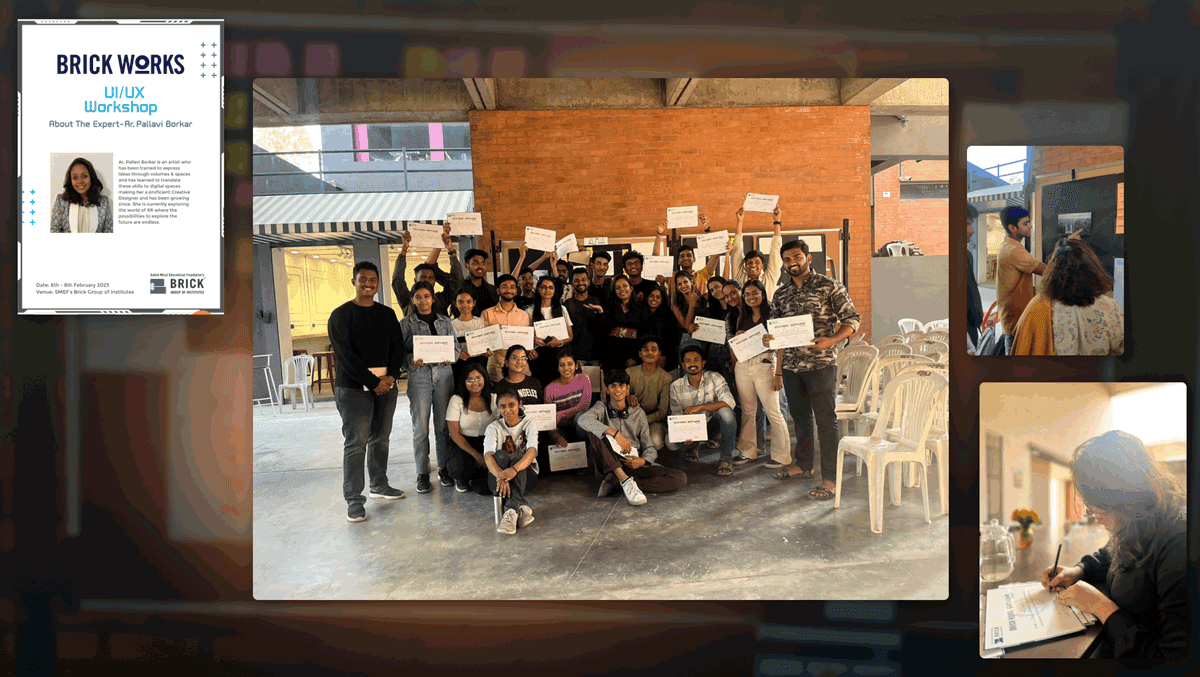
Brick Enthuva is an annual student-led design festival hosted by SMEF’s Brick School of Architecture, bringing together workshops and learning experiences across creative disciplines. As an alumna of the institution, my transition from architecture to UX design had sparked conversations among current students exploring alternative design paths.
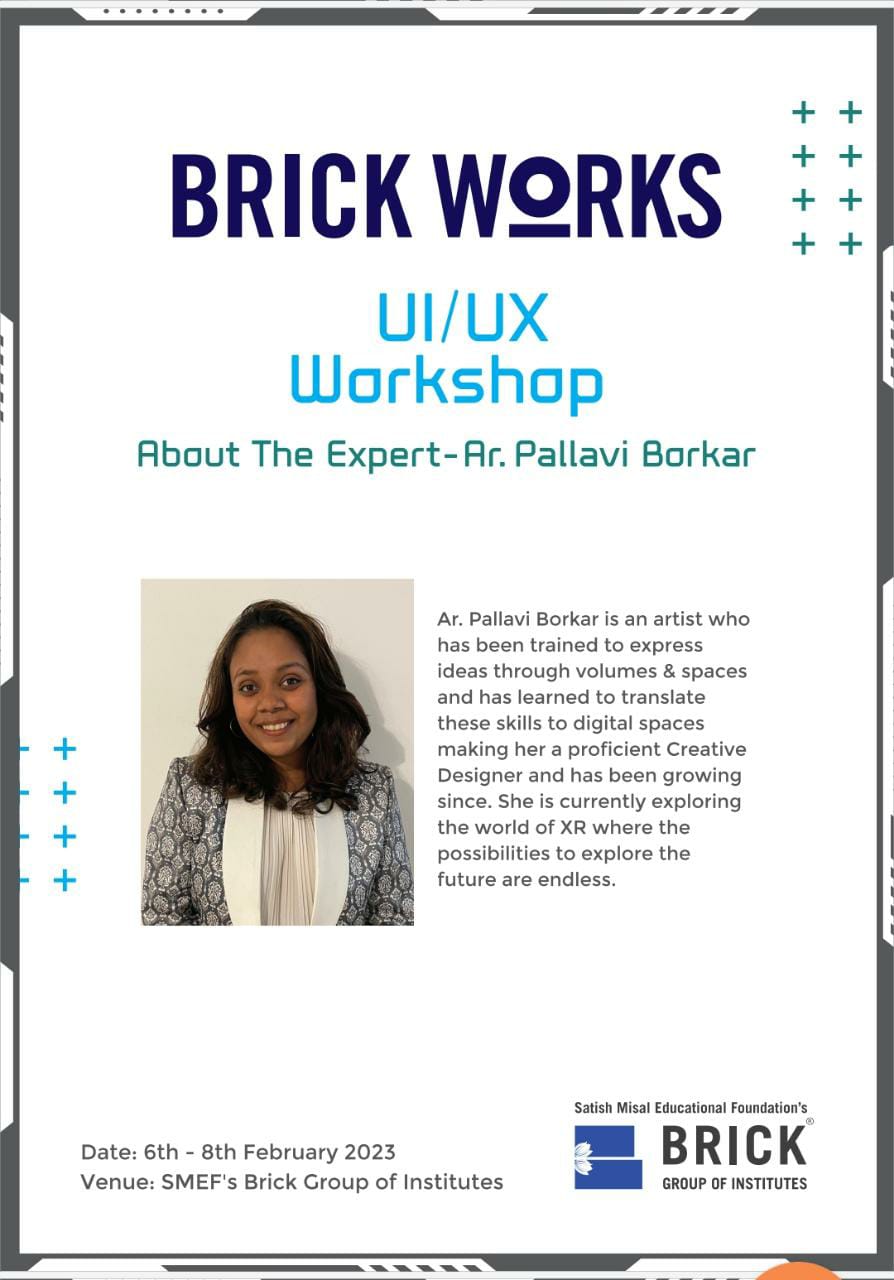
This journey led to an invitation to design and facilitate a three-day UX Design workshop—creating an accessible entry point into UX thinking for architecture students curious about design beyond traditional practice.
Brick Enthuva is an annual student-led design festival hosted by SMEF’s Brick School of Architecture, bringing together workshops and learning experiences across creative disciplines. As an alumna of the institution, my transition from architecture to UX design had sparked conversations among current students exploring alternative design paths.
This journey led to an invitation to design and facilitate a three-day UX Design workshop—creating an accessible entry point into UX thinking for architecture students curious about design beyond traditional practice.
Brick Enthuva is an annual student-led design festival hosted by SMEF’s Brick School of Architecture, bringing together workshops and learning experiences across creative disciplines. As an alumna of the institution, my transition from architecture to UX design had sparked conversations among current students exploring alternative design paths.
This journey led to an invitation to design and facilitate a three-day UX Design workshop—creating an accessible entry point into UX thinking for architecture students curious about design beyond traditional practice.

Framing the Workshop
Framing the Workshop
Framing the Workshop
Designing the workshop meant making deliberate choices about what not to teach. UX is a vast domain, and attempting to cover it end-to-end in three days would have diluted its essence. Instead, the focus was on building strong foundations just enough to help students start thinking and working like UX designers.
Designing the workshop meant making deliberate choices about what not to teach. UX is a vast domain, and attempting to cover it end-to-end in three days would have diluted its essence. Instead, the focus was on building strong foundations just enough to help students start thinking and working like UX designers.
Designing the workshop meant making deliberate choices about what not to teach. UX is a vast domain, and attempting to cover it end-to-end in three days would have diluted its essence. Instead, the focus was on building strong foundations just enough to help students start thinking and working like UX designers.
The curriculum was scoped to introduce:
The curriculum was scoped to introduce:
The curriculum was scoped to introduce:
Core UX principles and ways of thinking
Core UX principles and ways of thinking
Core UX principles and ways of thinking
Core UX principles and ways of thinking
Parallels between architecture and UX (observation, systems, user context)
Parallels between architecture and UX (observation, systems, user context)
Parallels between architecture and UX (observation, systems, user context)
Parallels between architecture and UX (observation, systems, user context)
What translates across disciplines, and what fundamentally changes
What translates across disciplines, and what fundamentally changes
What translates across disciplines, and what fundamentally changes
What translates across disciplines, and what fundamentally changes
Practical skills such as working with Figma and structuring digital interfaces
Practical skills such as working with Figma and structuring digital interfaces
Practical skills such as working with Figma and structuring digital interfaces
Practical skills such as working with Figma and structuring digital interfaces
The intent was not mastery, but momentum.
The intent was not mastery, but momentum.
The intent was not mastery, but momentum.
Approach
Approach
Approach
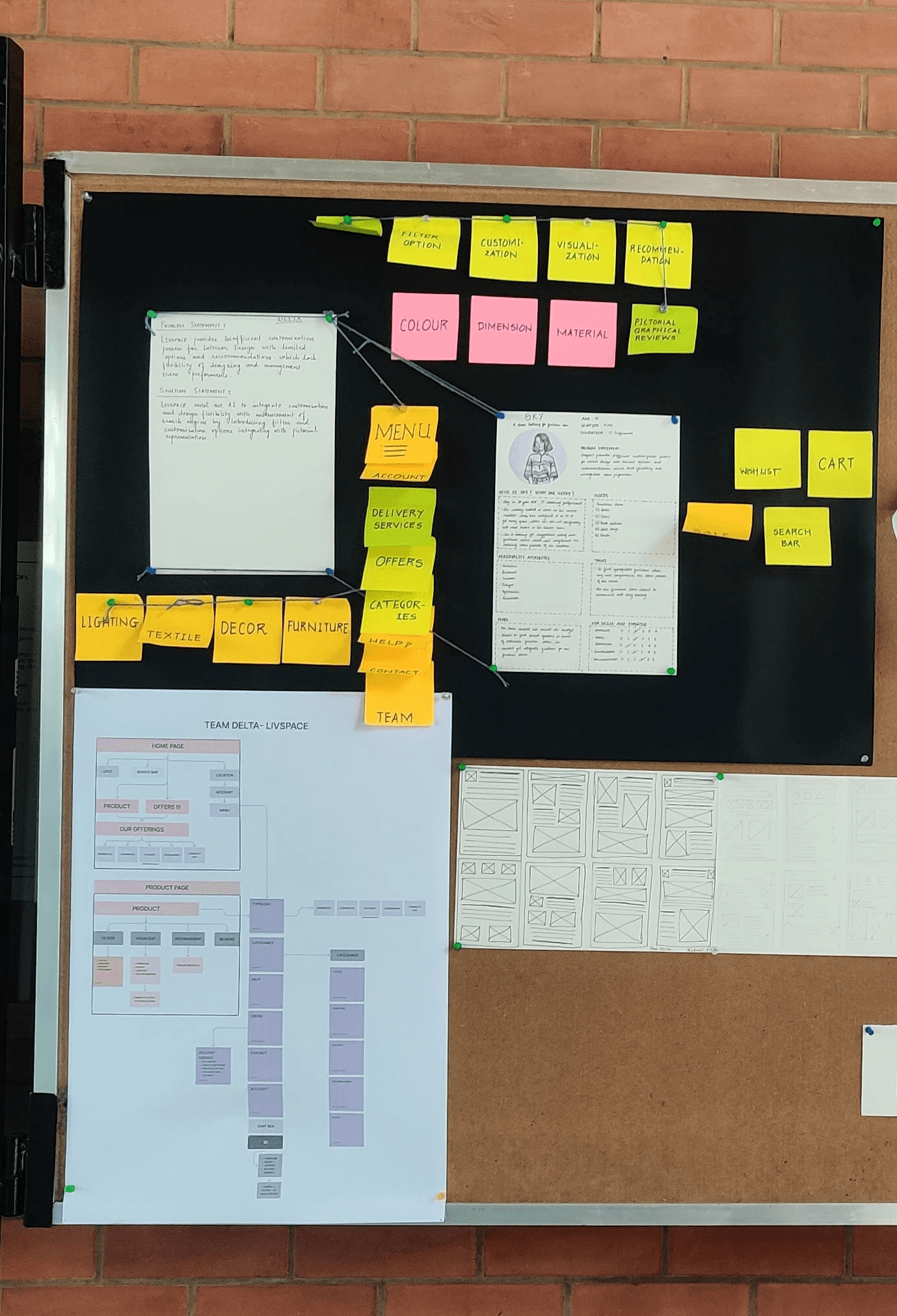
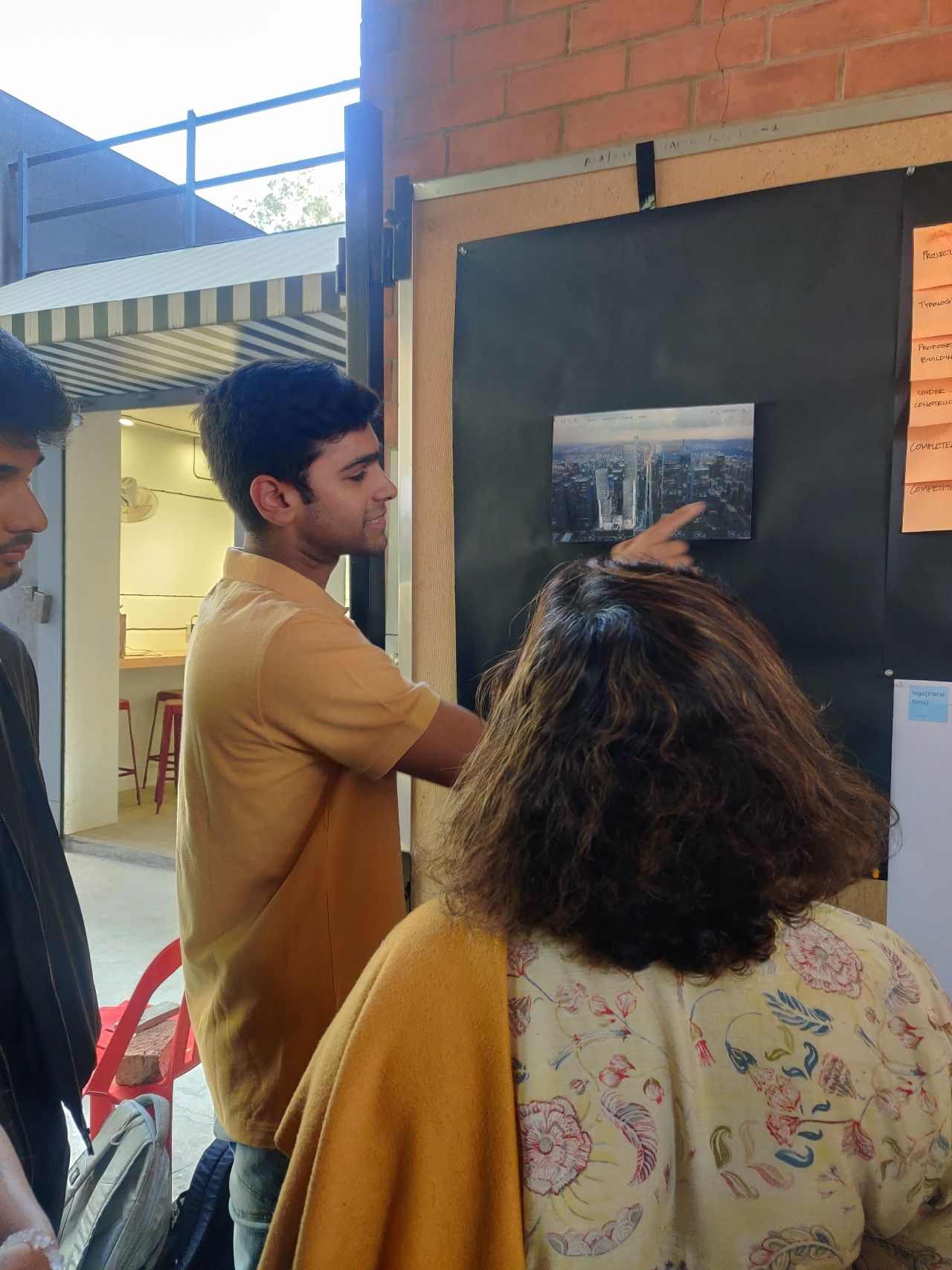
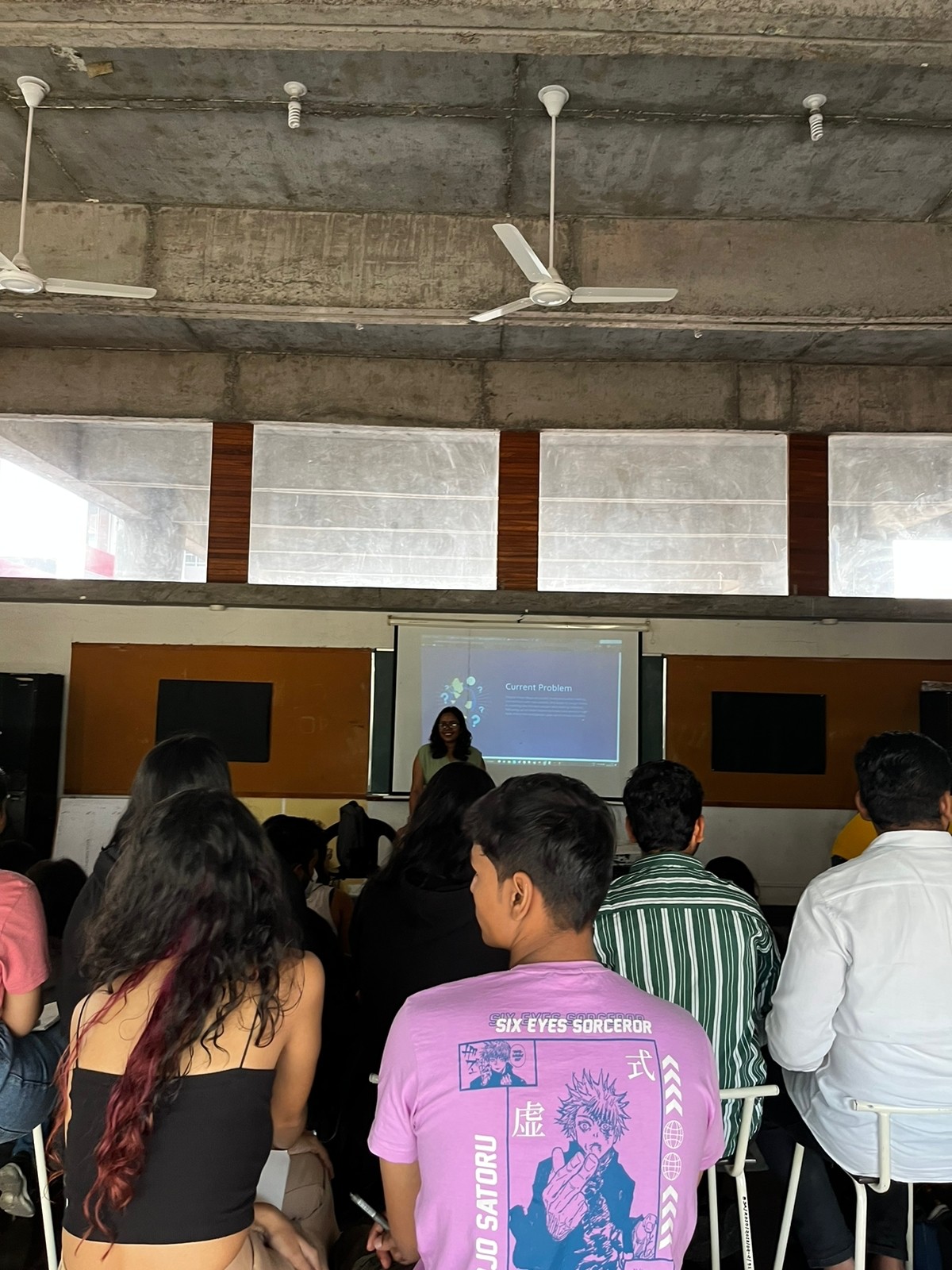
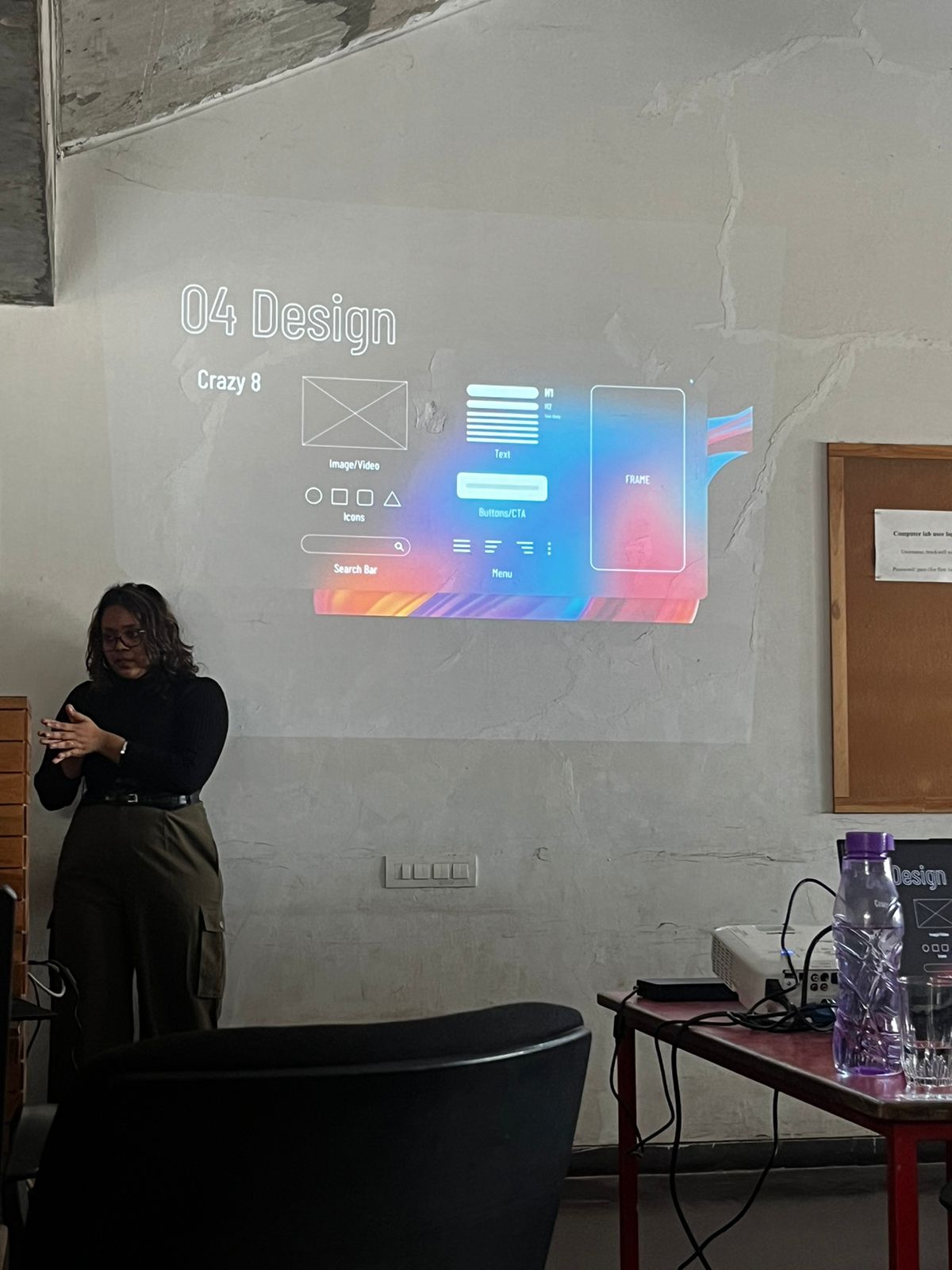
The workshop combined short conceptual discussions with hands-on making. Students worked in teams, starting from a blank slate and building complete projects from scratch framing problems, mapping task flows, Information Architecture, and translating ideas into digital interfaces.
By grounding UX concepts in familiar architectural thinking while introducing new design lenses, the workshop created a bridge between disciplines. This approach helped students move quickly from curiosity to confidence, enabling them to apply learning immediately rather than waiting for “expert” knowledge.
The workshop combined short conceptual discussions with hands-on making. Students worked in teams, starting from a blank slate and building complete projects from scratch framing problems, mapping task flows, Information Architecture, and translating ideas into digital interfaces.
By grounding UX concepts in familiar architectural thinking while introducing new design lenses, the workshop created a bridge between disciplines. This approach helped students move quickly from curiosity to confidence, enabling them to apply learning immediately rather than waiting for “expert” knowledge.
The workshop combined short conceptual discussions with hands-on making. Students worked in teams, starting from a blank slate and building complete projects from scratch framing problems, mapping task flows, Information Architecture, and translating ideas into digital interfaces.
By grounding UX concepts in familiar architectural thinking while introducing new design lenses, the workshop created a bridge between disciplines. This approach helped students move quickly from curiosity to confidence, enabling them to apply learning immediately rather than waiting for “expert” knowledge.
Impact
Impact
Impact
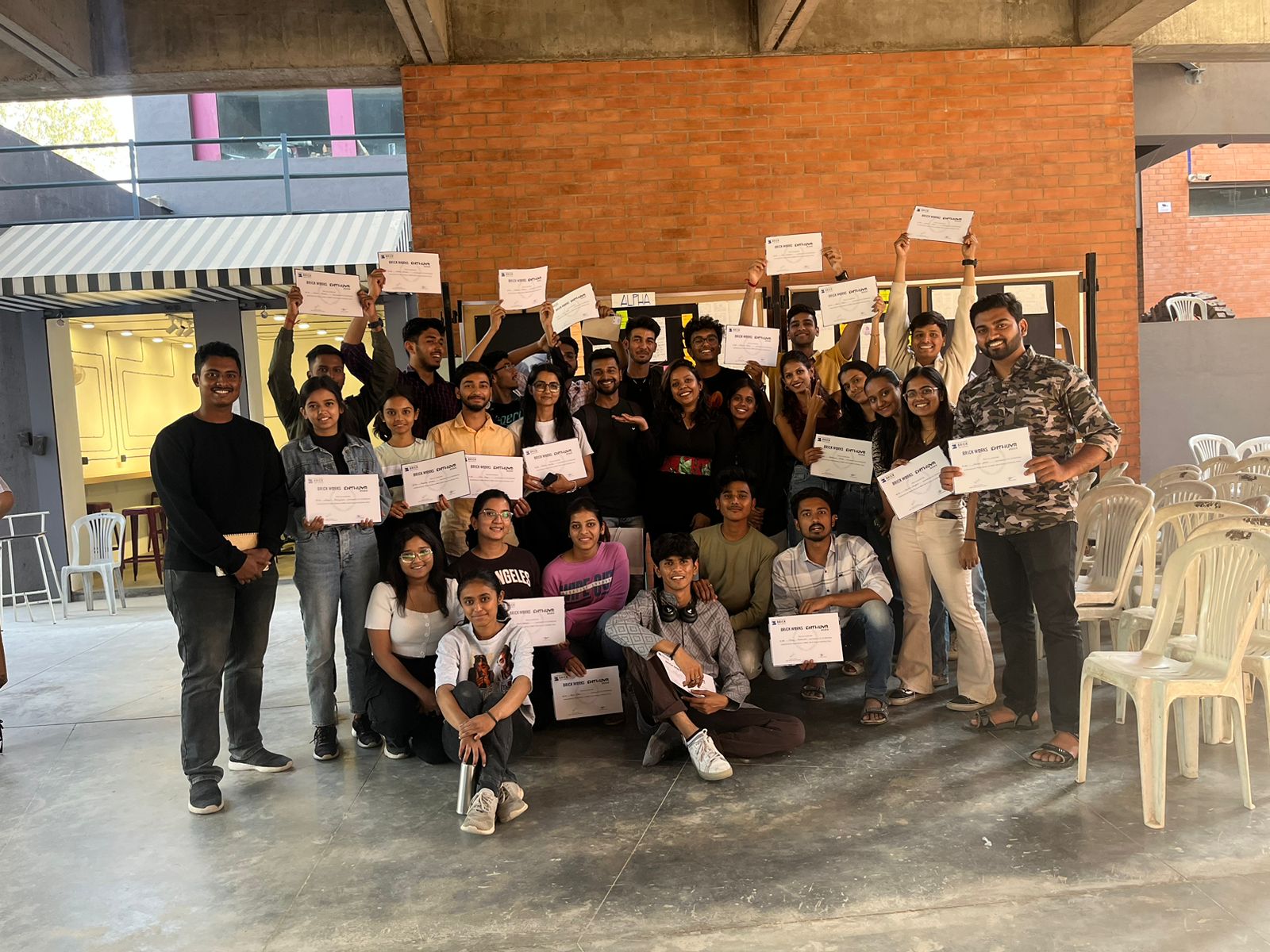
What began as a structured workshop quickly grew beyond expectations. Over three days, 45+ students across 4 teams designed four complete digital product concepts, many continuing work beyond scheduled hours. The workshop became one of the most attended sessions at the festival drawing in students from other workshops, some of whom joined despite limited space, choosing to sit at the back or on the floor just to participate.
The level of engagement reflected not just interest in UX, but a hunger for learning experiences that feel relevant, practical, and empowering.
What began as a structured workshop quickly grew beyond expectations. Over three days, 45+ students across 4 teams designed four complete digital product concepts, many continuing work beyond scheduled hours. The workshop became one of the most attended sessions at the festival drawing in students from other workshops, some of whom joined despite limited space, choosing to sit at the back or on the floor just to participate.
The level of engagement reflected not just interest in UX, but a hunger for learning experiences that feel relevant, practical, and empowering.
What began as a structured workshop quickly grew beyond expectations. Over three days, 45+ students across 4 teams designed four complete digital product concepts, many continuing work beyond scheduled hours. The workshop became one of the most attended sessions at the festival drawing in students from other workshops, some of whom joined despite limited space, choosing to sit at the back or on the floor just to participate.
The level of engagement reflected not just interest in UX, but a hunger for learning experiences that feel relevant, practical, and empowering.
Learnings & Career Impact
Learnings & Career Impact
Scoping is a design skill. Thoughtful constraint made learning more effective than attempting breadth.
Foundations create confidence. Introducing the right starting points helped students move independently.
Facilitation is experience design. Energy, clarity, and structure directly shaped engagement and outcomes.
Cross-disciplinary bridges matter. Connecting architecture to UX made the transition feel approachable and real.
Learnings & Career Impact
Scoping is a design skill. Thoughtful constraint made learning more effective than attempting breadth.
Foundations create confidence. Introducing the right starting points helped students move independently.
Facilitation is experience design. Energy, clarity, and structure directly shaped engagement and outcomes.
Cross-disciplinary bridges matter. Connecting architecture to UX made the transition feel approachable and real.
Learnings & Career Impact
Scoping is a design skill. Thoughtful constraint made learning more effective than attempting breadth.
Foundations create confidence. Introducing the right starting points helped students move independently.
Facilitation is experience design. Energy, clarity, and structure directly shaped engagement and outcomes.
Cross-disciplinary bridges matter. Connecting architecture to UX made the transition feel approachable and real.
Back to top
Back to top
Back to top


Spoiler : I can make your team look good


Spoiler : I can make your team look good