Back
Back
Back
Harmonizing Impact
Harmonizing Impact
Fall 2024 | Prof. Sunghan Kim
Fall 2024 | Prof. Sunghan Kim
Fall 2024 | Prof. Sunghan Kim
Fall 2024 | Prof. Sunghan Kim
Service Designer
Service Designer
Service Designer
Service Designer
Team : Pallavi Borkar, Omkar Talwalkar, Pranay Patidar, Sophie Chao
Team : Pallavi Borkar, Omkar Talwalkar, Pranay Patidar, Sophie Chao
Team : Pallavi Borkar, Omkar Talwalkar, Pranay Patidar, Sophie Chao
Team : Pallavi Borkar, Omkar Talwalkar, Pranay Patidar, Sophie Chao
Skills
Skills
Design Research
Design Research
Critical Thinking
Critical Thinking
Business Acumen
Business Acumen
Methods
Methods
Ecosystem Maps
Ecosystem Maps
Stakeholder Maps
Stakeholder Maps
CJM
CJM
Service Blueprint
Service Blueprint
Co-creation Workshops
Co-creation Workshops
CJM
Overview
Overview
Overview
This service design initiative details the transformation of the Rhythm Therapeutic Center (RTC), a non-profit equine therapy organization. By diagnosing the root causes of a recent decline in user growth, we designed a holistic service overhaul focused on modernizing facilities, streamlining operations, and enhancing the entire customer experience to help RTC expand its reach and continue its healing mission.
This service design initiative details the transformation of the Rhythm Therapeutic Center (RTC), a non-profit equine therapy organization. By diagnosing the root causes of a recent decline in user growth, we designed a holistic service overhaul focused on modernizing facilities, streamlining operations, and enhancing the entire customer experience to help RTC expand its reach and continue its healing mission.
Challenge
Challenge
Challenge
Rhythm Therapeutic Center, a non-profit equine therapy organization, faced declining user growth due to an outdated service experience that failed to meet modern family needs for accessibility, engagement, and amenities.
Approach
Approach
Approach
Our team conducted in-depth user research and facilitated a co-creation workshop with all key stakeholders to identify critical service gaps. We then designed a comprehensive service blueprint to overhaul the entire customer journey, from booking and transportation to the on-site experience.
Result
Result
Result
The outcome is a proposed holistic service redesign including infrastructure upgrades, streamlined booking, and new family engagement areas projected to increase business by 300% and deliver a 180% ROI within two years.

About Rhythm Therapeutic Center (RTC)
About Rhythm Therapeutic Center (RTC)
About Rhythm Therapeutic Center (RTC)
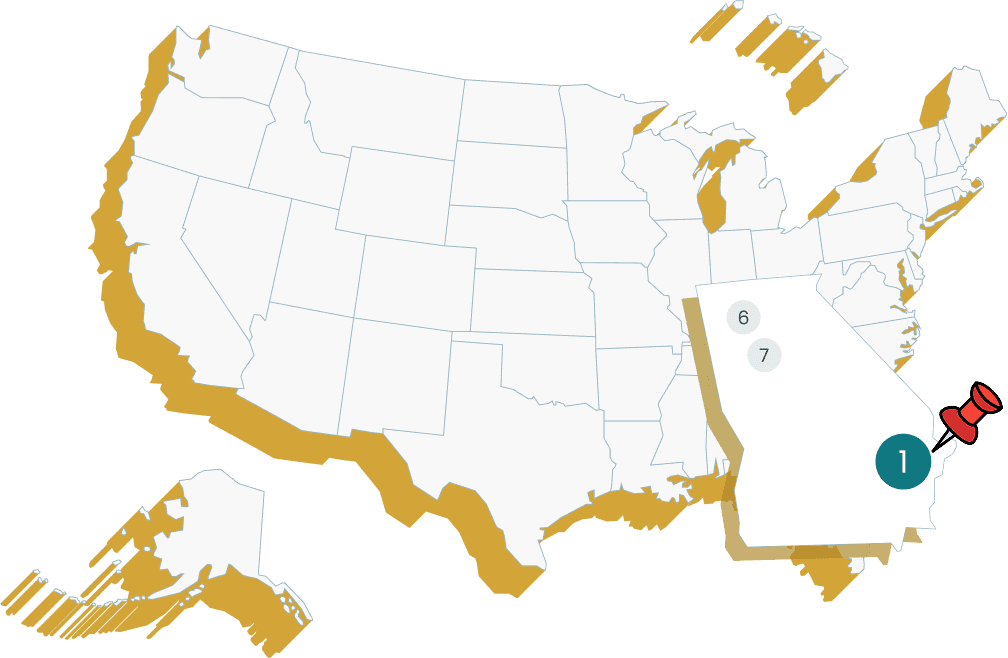
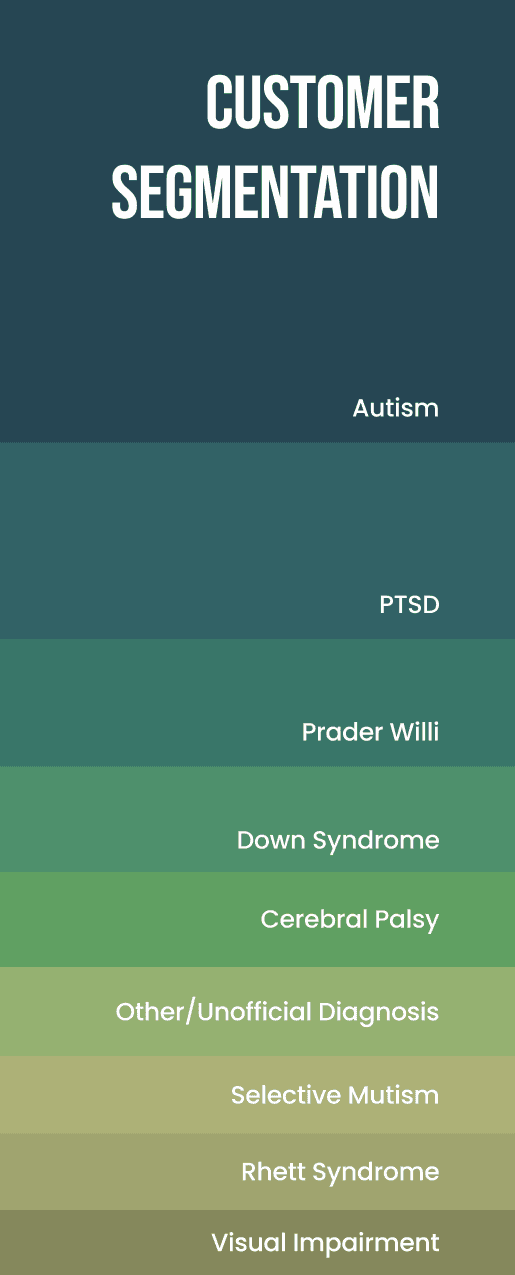
Rhythm Therapeutic Center (RTC) is a 501(c)(3) non-profit organization that provides healing through therapeutic horse riding programs. As one of only three such centers in its region of Georgia, it serves a vital role for a diverse range of participants, including individuals with Autism, PTSD, Down Syndrome, and other special needs.
Rhythm Therapeutic Center (RTC) is a 501(c)(3) non-profit organization that provides healing through therapeutic horse riding programs. As one of only three such centers in its region of Georgia, it serves a vital role for a diverse range of participants, including individuals with Autism, PTSD, Down Syndrome, and other special needs.
The Challenge: When a Great Service Falls Behind
The Challenge: When a Great Service Falls Behind
The Challenge: When a Great Service Falls Behind
Rhythm Therapeutic Center (RTC) is a vital non-profit organization in Georgia providing healing through therapeutic horse riding, especially for individuals with Autism, PTSD, and other special needs.
Rhythm Therapeutic Center (RTC) is a vital non-profit organization in Georgia providing healing through therapeutic horse riding, especially for individuals with Autism, PTSD, and other special needs.
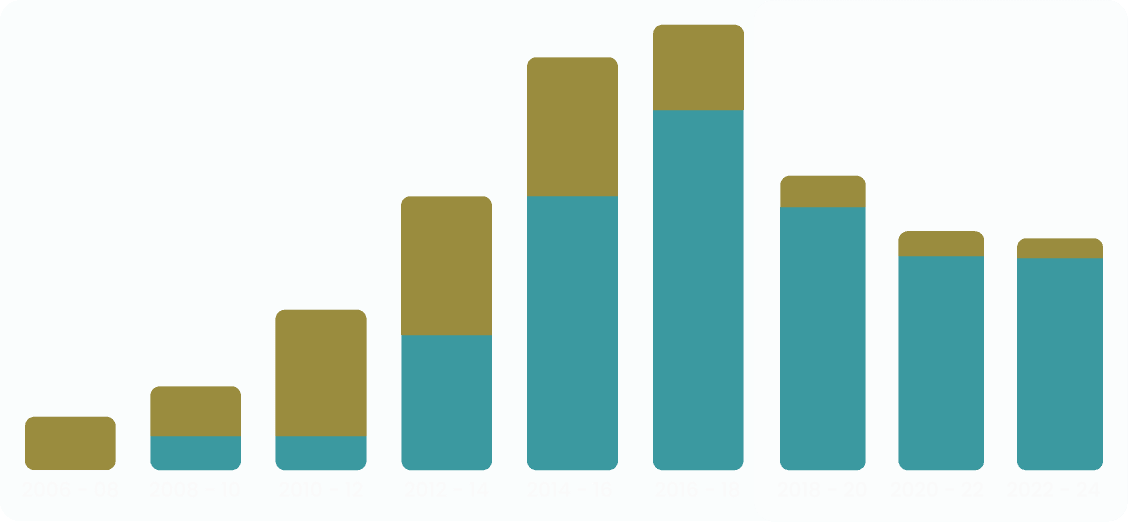
After years of steady growth, RTC’s user numbers peaked in 2018 and began to decline. Our research identified that while the core therapy was still highly effective, the overall service experience was falling short of modern, post-COVID expectations. The official problem statement became clear:
After years of steady growth, RTC’s user numbers peaked in 2018 and began to decline. Our research identified that while the core therapy was still highly effective, the overall service experience was falling short of modern, post-COVID expectations. The official problem statement became clear:
RTC faces challenges in user growth and retention due to a lack of transportation, food services, and engaging spaces for caregivers and families.
RTC faces challenges in user growth and retention due to a lack of transportation, food services, and engaging spaces for caregivers and families.
The Approach: From Market Analysis to a User-Validated Strategy
The Approach: From Market Analysis to a User-Validated Strategy
Our approach began by mapping RTC's ecosystem with a Stakeholder Map that revealed a crucial insight: while the patient is the primary user, their family and caregivers are a vital part of the service experience. We realized that to truly help RTC succeed, we needed to design for the entire family, not just the participant.
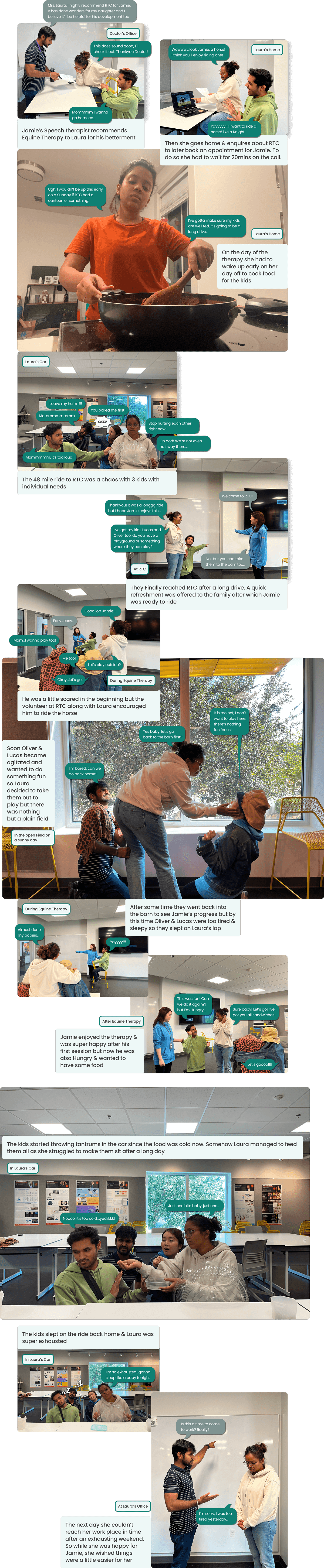
To ground our work in reality, we developed a user persona (Laura, a mother to Oliver, Lucas & Jamie who is Autistic) and journey map, which we validated in a co-creation workshop with RTC staff, sponsors, and customers. This collaborative process allowed us to identify critical service gaps and design a new, holistic Service Blueprint that became the foundation for our solution.
Our approach began by mapping RTC's ecosystem with a Stakeholder Map that revealed a crucial insight: while the patient is the primary user, their family and caregivers are a vital part of the service experience. We realized that to truly help RTC succeed, we needed to design for the entire family, not just the participant.
To ground our work in reality, we developed a user persona (Laura, a mother to Oliver, Lucas & Jamie who is Autistic) and journey map, which we validated in a co-creation workshop with RTC staff, sponsors, and customers. This collaborative process allowed us to identify critical service gaps and design a new, holistic Service Blueprint that became the foundation for our solution.
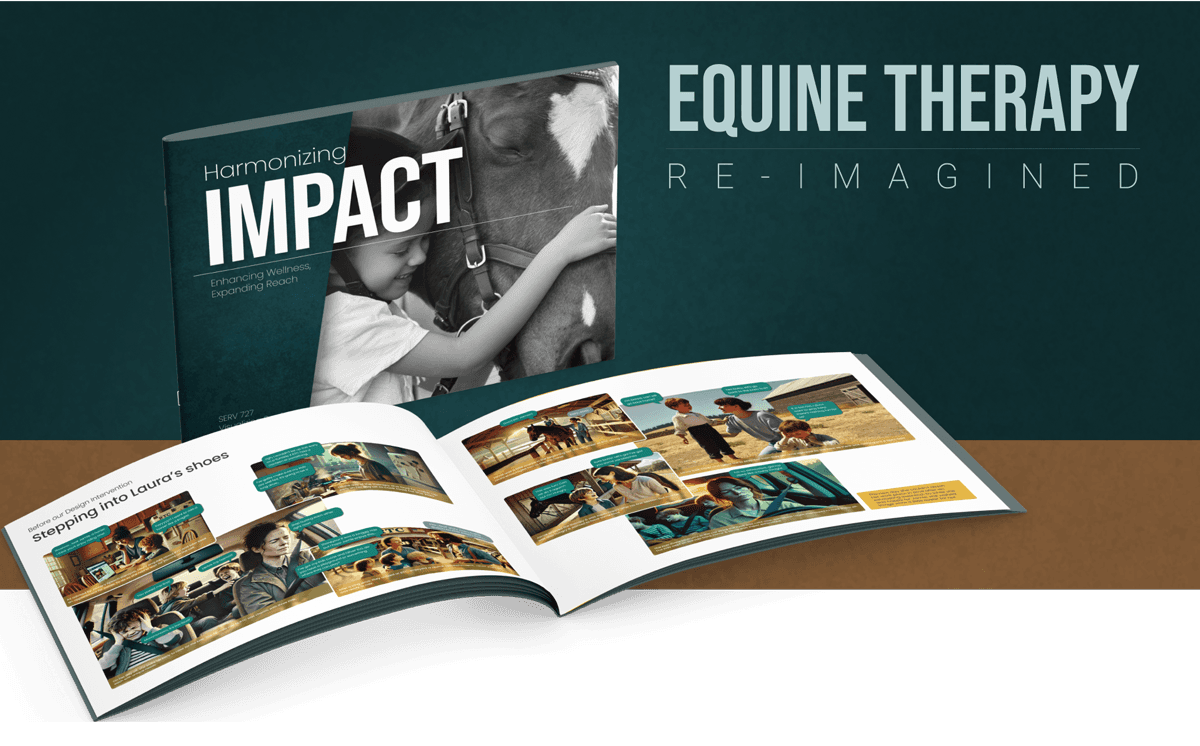
Stepping into the care giver's shoes
Stepping into the care giver's shoes
Pain Points we Identified
Pain Points we Identified
Booking Hassles
Booking Hassles
The booking process was inconvenient and time-consuming.
The booking process was inconvenient and time-consuming.
Outdated Infrastructure
Outdated Infrastructure
Facilities felt old and unwelcoming.
Lack of Engagement
Lack of Engagement
Family members and caregivers had nothing to do while waiting.
Family members and caregivers had nothing to do while waiting.
Accessibility Issues
Accessibility Issues
The long drive and lack of amenities were significant barriers for families.
The long drive and lack of amenities were significant barriers for families.
Weak Online Presence
Weak Online Presence
Limited digital outreach meant the center was struggling to attract new clients.
Limited digital outreach meant the center was struggling to attract new clients.
About Rhythm Therapeutic Center (RTC)
Rhythm Therapeutic Center (RTC) is a 501(c)(3) non-profit organization that provides healing through therapeutic horse riding programs. As one of only three such centers in its region of Georgia, it serves a vital role for a diverse range of participants, including individuals with Autism, PTSD, Down Syndrome, and other special needs.
The Challenge: When a Great Service Falls Behind
Rhythm Therapeutic Center (RTC) is a vital non-profit organization in Georgia providing healing through therapeutic horse riding, especially for individuals with Autism, PTSD, and other special needs.
After years of steady growth, RTC’s user numbers peaked in 2018 and began to decline. Our research identified that while the core therapy was still highly effective, the overall service experience was falling short of modern, post-COVID expectations. The official problem statement became clear:
RTC faces challenges in user growth and retention due to a lack of transportation, food services, and engaging spaces for caregivers and families.
The Approach: From Market Analysis to a User-Validated Strategy
Our approach began by mapping RTC's ecosystem with a Stakeholder Map that revealed a crucial insight: while the patient is the primary user, their family and caregivers are a vital part of the service experience. We realized that to truly help RTC succeed, we needed to design for the entire family, not just the participant.
To ground our work in reality, we developed a user persona (Laura, a mother to Oliver, Lucas & Jamie who is Autistic) and journey map, which we validated in a co-creation workshop with RTC staff, sponsors, and customers. This collaborative process allowed us to identify critical service gaps and design a new, holistic Service Blueprint that became the foundation for our solution.
Stepping into the care giver's shoes
Pain Points we Identified
Booking Hassles
The booking process was inconvenient and time-consuming.
Outdated Infrastructure
Facilities felt old and unwelcoming.
Lack of Engagement
Family members and caregivers had nothing to do while waiting.
Accessibility Issues
The long drive and lack of amenities were significant barriers for families.
Weak Online Presence
Limited digital outreach meant the center was struggling to attract new clients.
The Solution: A Holistic Redesign of the RTC Experience
The Solution: A Holistic Redesign of the RTC Experience
The Solution: A Holistic Redesign of the RTC Experience
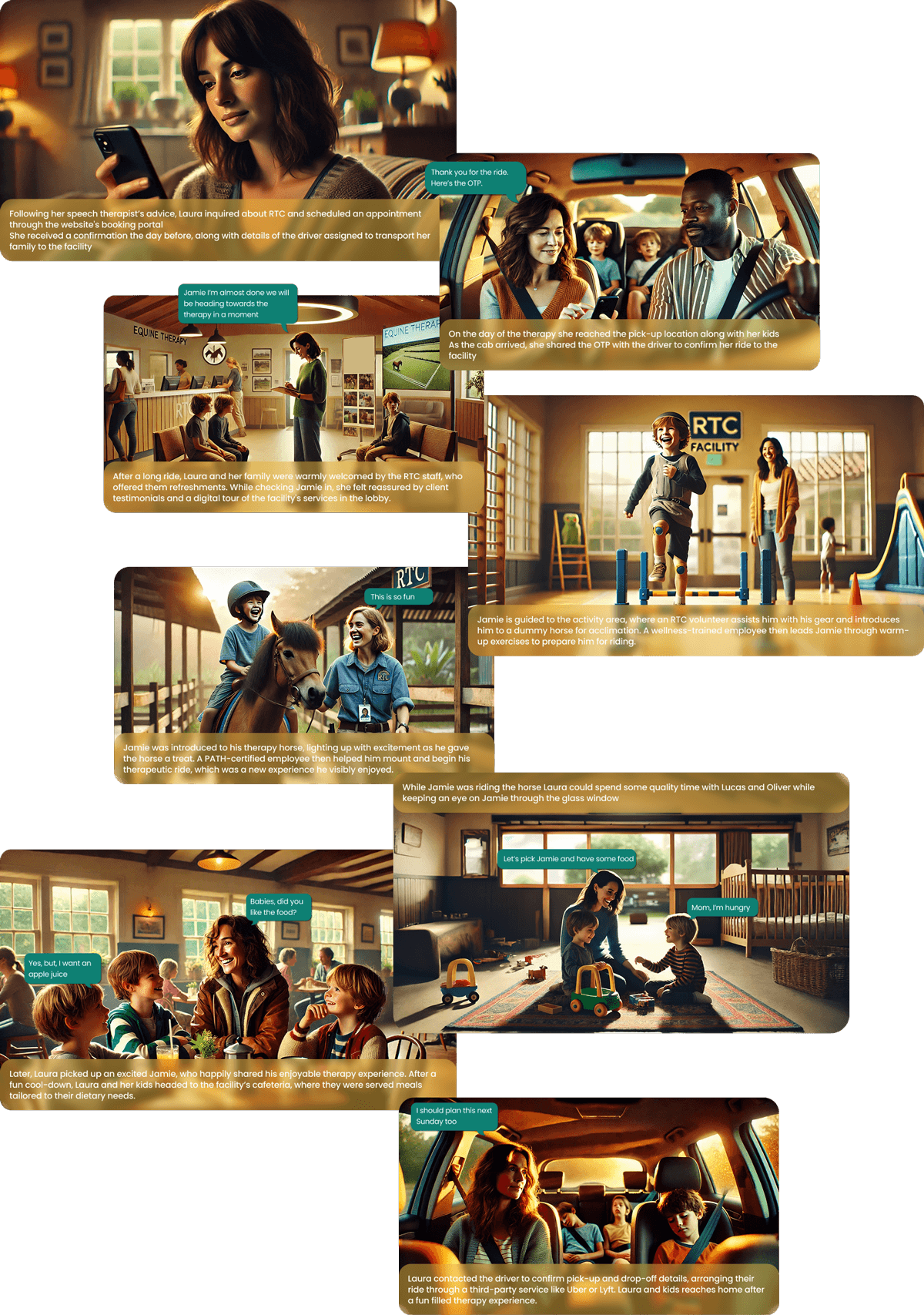
Our solution is a holistic service redesign focused on transforming RTC's customer experience. It includes technological enhancements like a modern website with online booking, infrastructure development like a new family engagement area and cafeteria, and transportation facilitation through partnerships with ride-share services to make the center more accessible and welcoming.
Our solution is a holistic service redesign focused on transforming RTC's customer experience. It includes technological enhancements like a modern website with online booking, infrastructure development like a new family engagement area and cafeteria, and transportation facilitation through partnerships with ride-share services to make the center more accessible and welcoming.
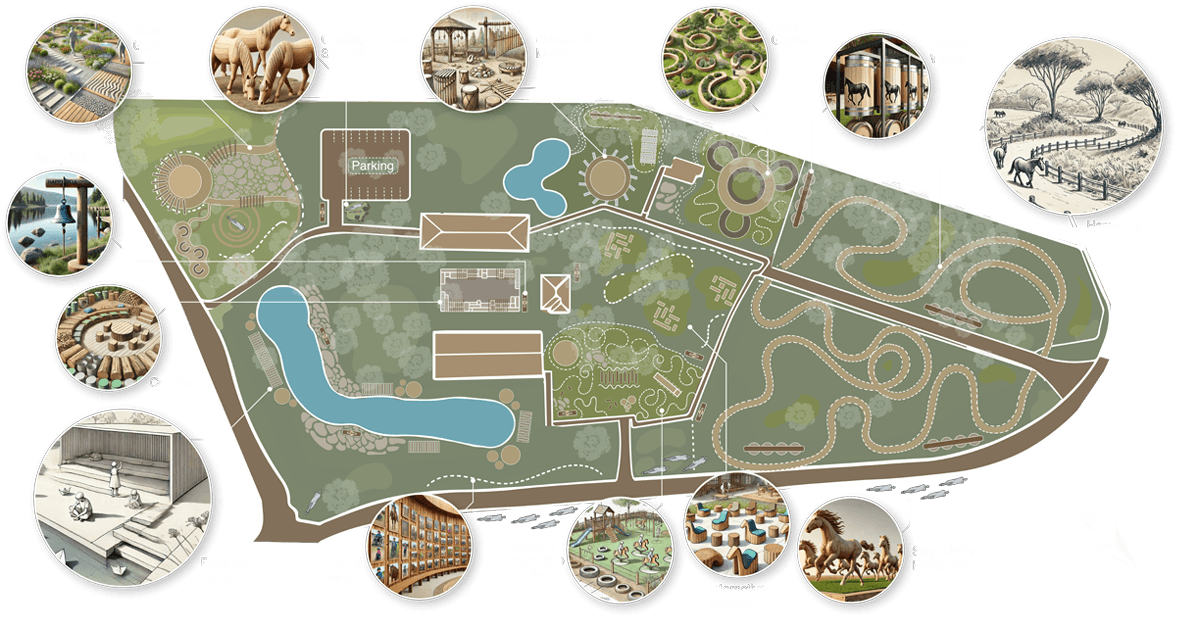
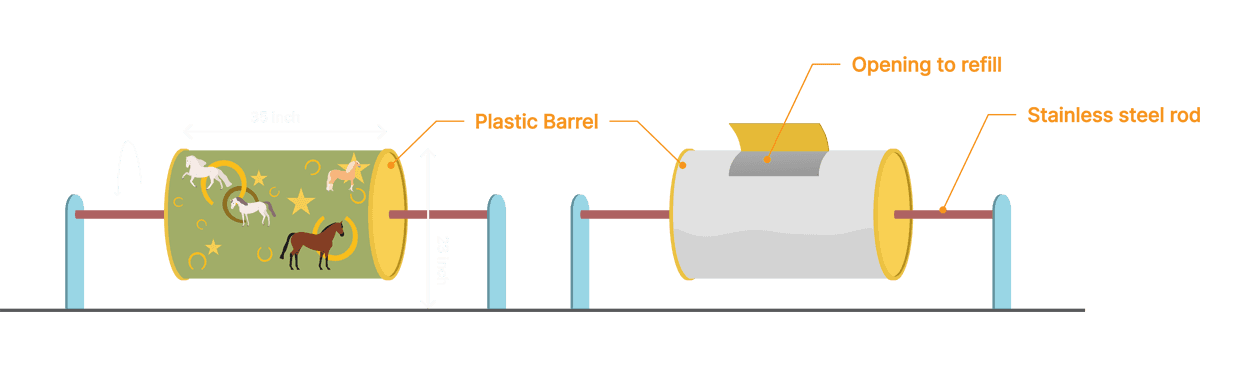
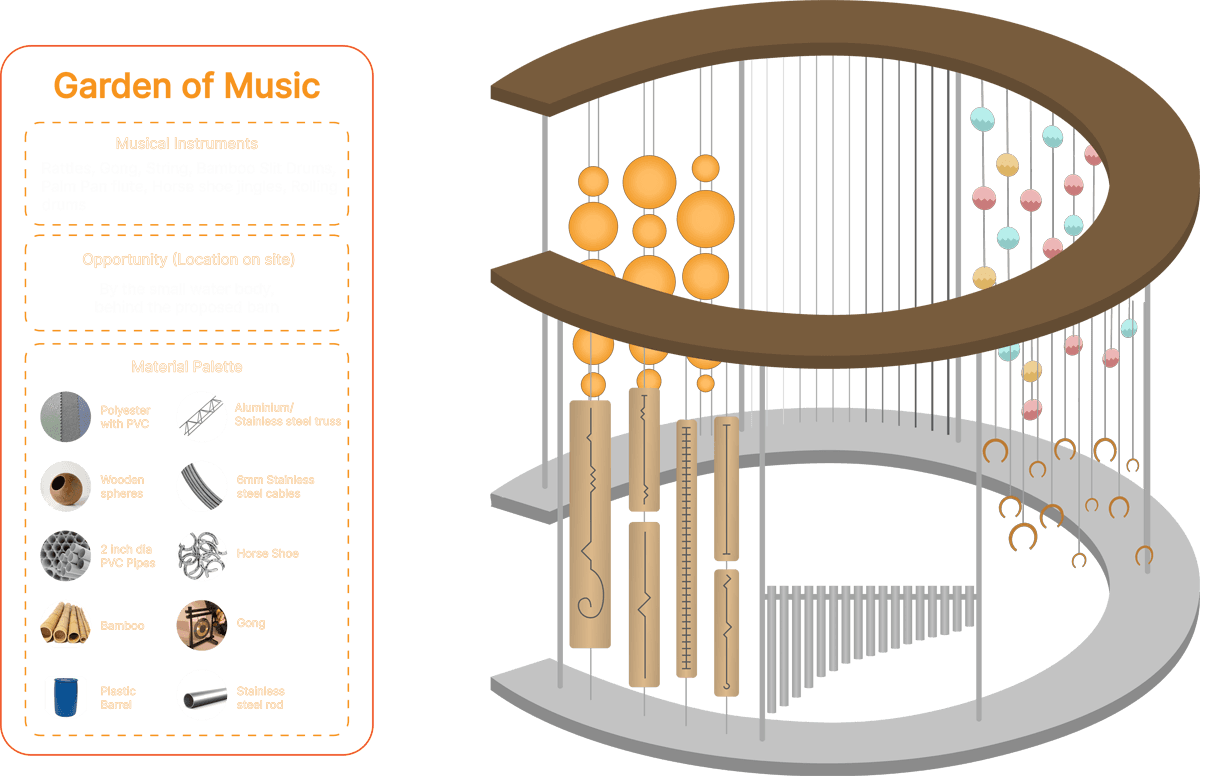
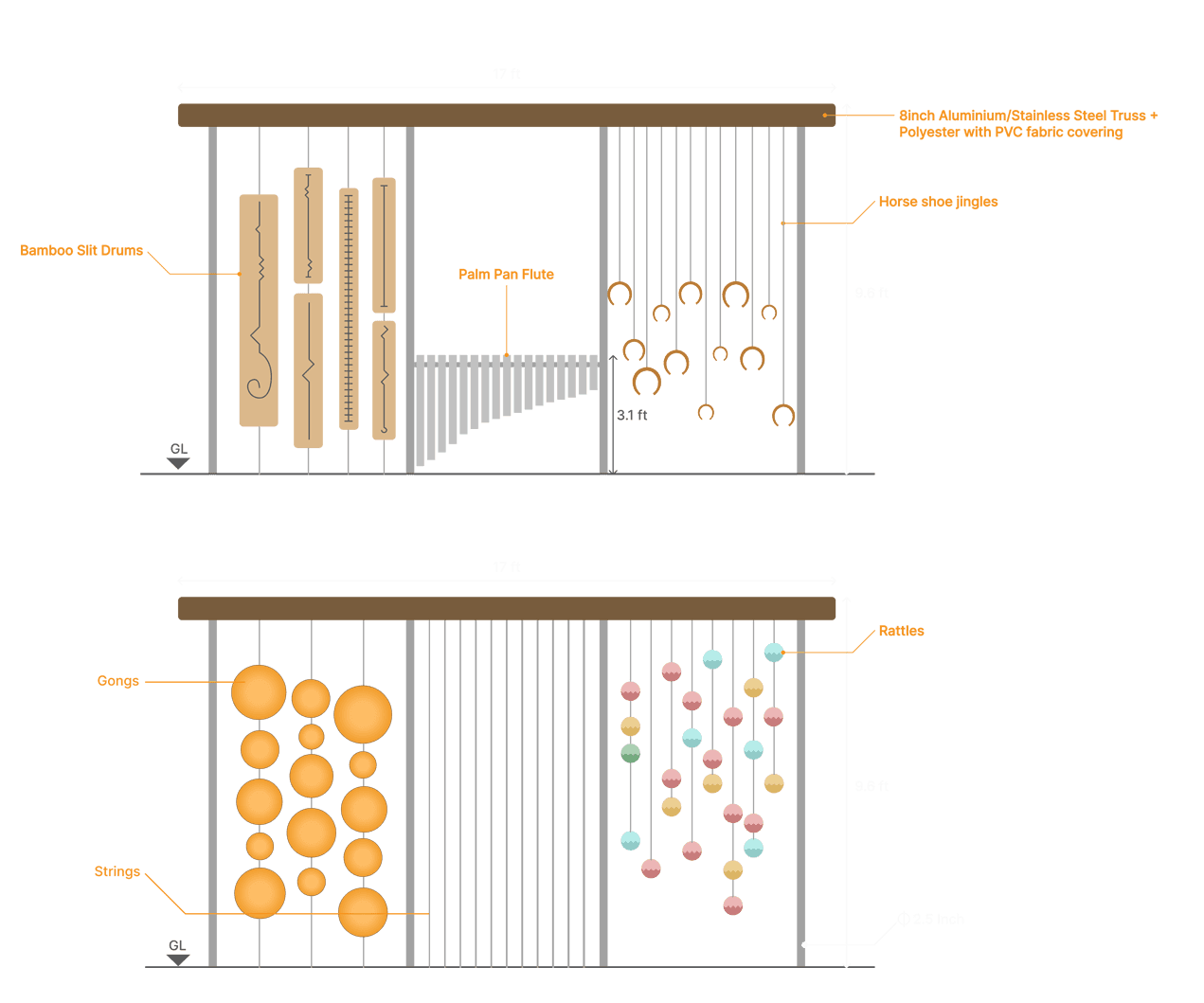
Bringing the Solution to Life: A Parallel Landscape Redesign
Bringing the Solution to Life: A Parallel Landscape Redesign
Predicted Impact
Predicted Impact
Predicted Impact
Our service redesign is projected to deliver significant, measurable results for RTC
Our service redesign is projected to deliver significant, measurable results for RTC
A 300% growth in business and a 180% ROI within two years.
A 95% user satisfaction rate for new transportation and food services.
An estimated 98% of participants reporting positive changes in well-being.
Learnings & Reflection
Learnings & Reflection
Learnings & Reflection
This project taught us the importance of aligning business goals with the real needs of the entire user ecosystem not just the primary customer. This sprint pushed our team to design a meaningful, human-centered solution for the entire RTC community.
This project taught us the importance of aligning business goals with the real needs of the entire user ecosystem not just the primary customer. This sprint pushed our team to design a meaningful, human-centered solution for the entire RTC community.
Back to top
Back to top
Back to top
Explore More Projects
Explore More Projects




Spoiler : I can make your team look good


Spoiler : I can make your team look good